710s.com is for sale.This guide is a preview of what the name can carry.Get in touch ›
710sFor sale
The 710s guide to concentrates

One plant. Many forms.

Shatter, badder, rosin, live resin. Ten names, one material. Here’s how they connect.

It starts with resin.

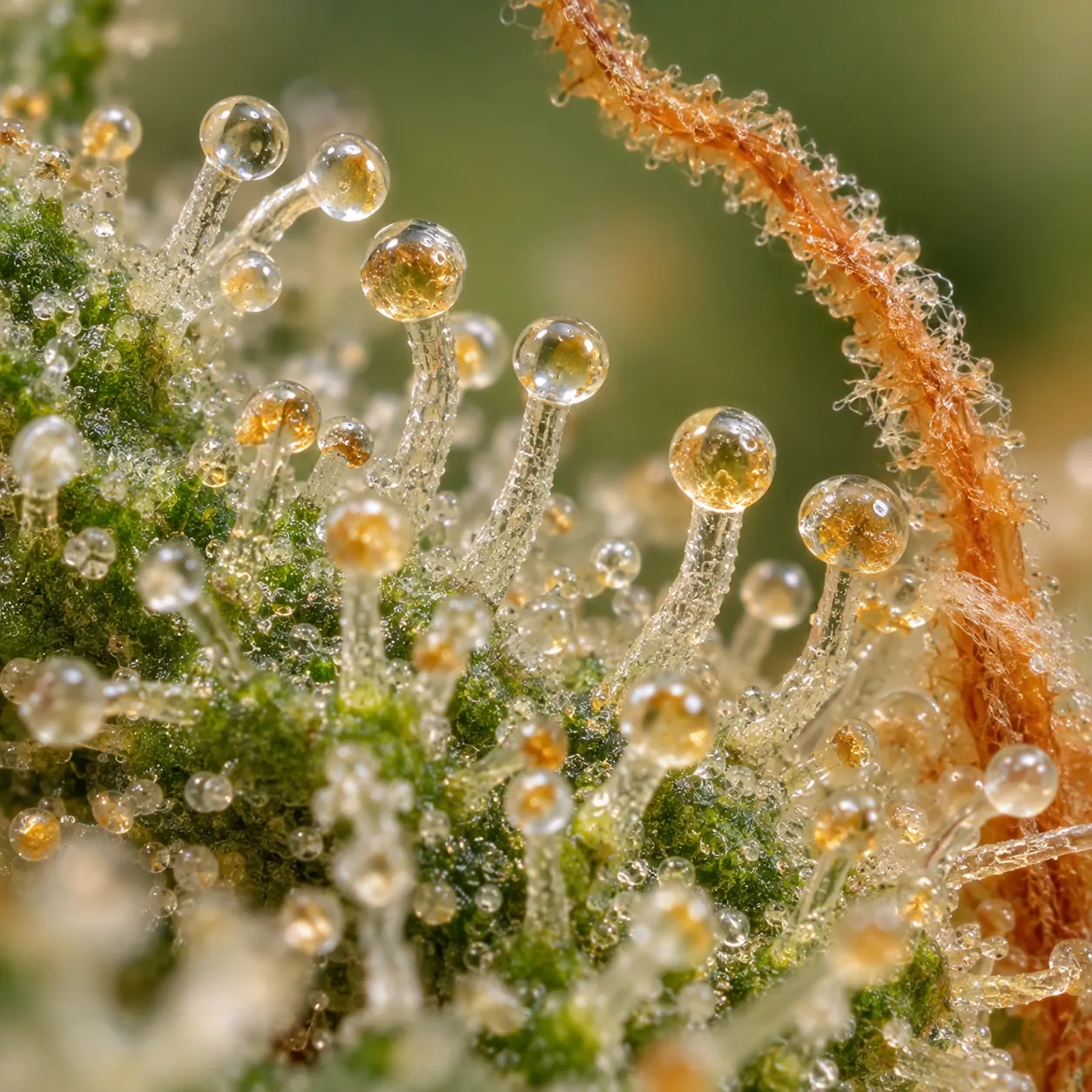
Tiny glands on cannabis flowers produce resin containing cannabinoids and aroma compounds. Concentrates collect a resin-rich fraction, leaving much of the plant material behind.

Close view of stalked resin glands on the plant surface
Trichomes — the resin-producing glands.

First, the starting material.

After harvest, material can be frozen fresh or dried and cured. On a concentrate label, “live” refers to the fresh-frozen starting material.

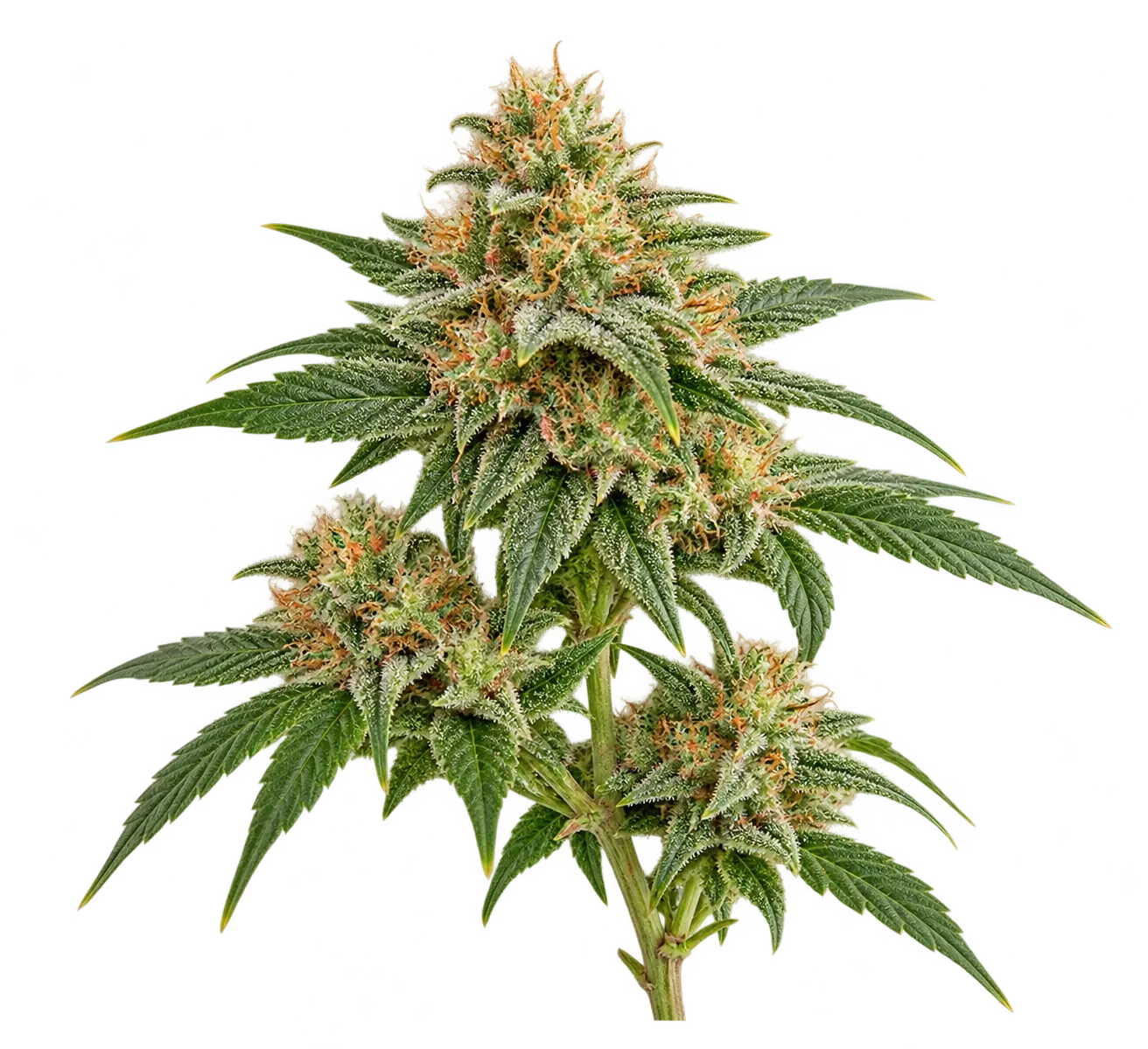
Fresh harvested cannabis material
Fresh-frozenFrozen after harvest without first being dried and cured. Concentrates made from this starting material are called “live”.
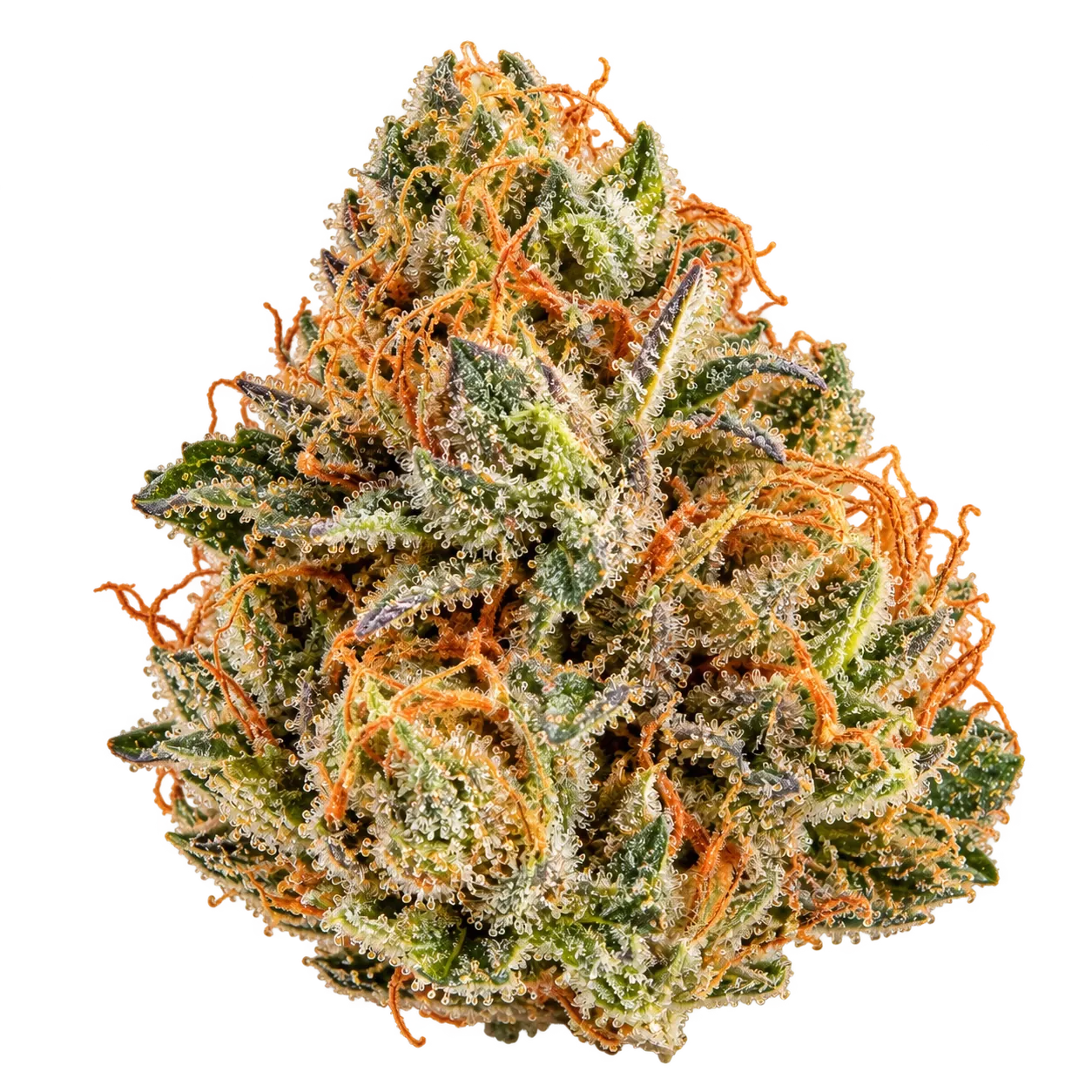
Dried, cured and trimmed cannabis flower
Dried & curedDried and cured before the resin is collected or extracted.

Next, separate the resin.

The starting material tells you where the process begins. The next distinction is how the resin is separated.

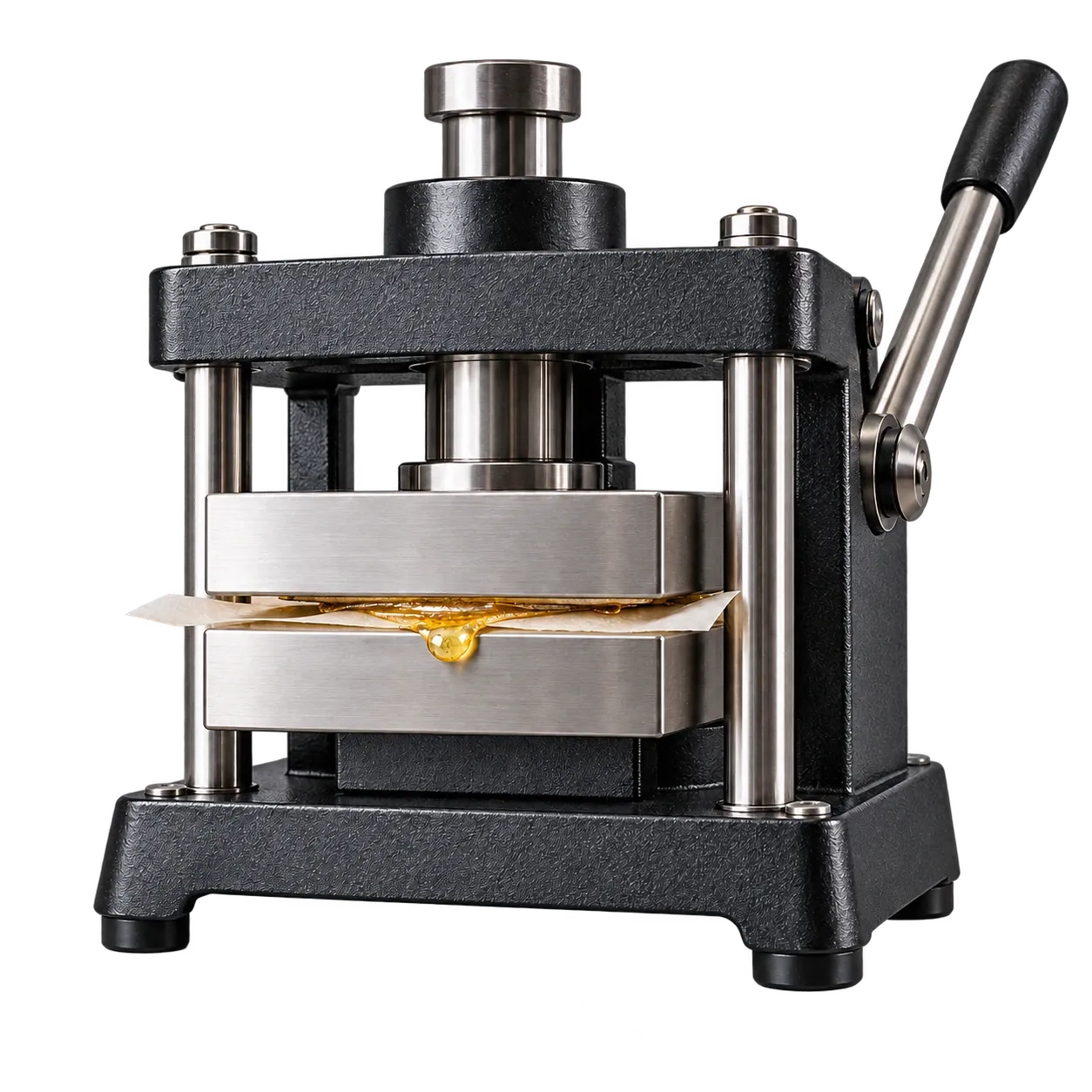
A rosin press, an example of mechanical processing

Physical separation.

Sieving or ice-water separation collects resin glands as hash. Pressing flower, kief or hash with heat and pressure produces rosin, without an extraction solvent.

When the starting material is fresh-frozenHash made from it can be pressed into live rosin.
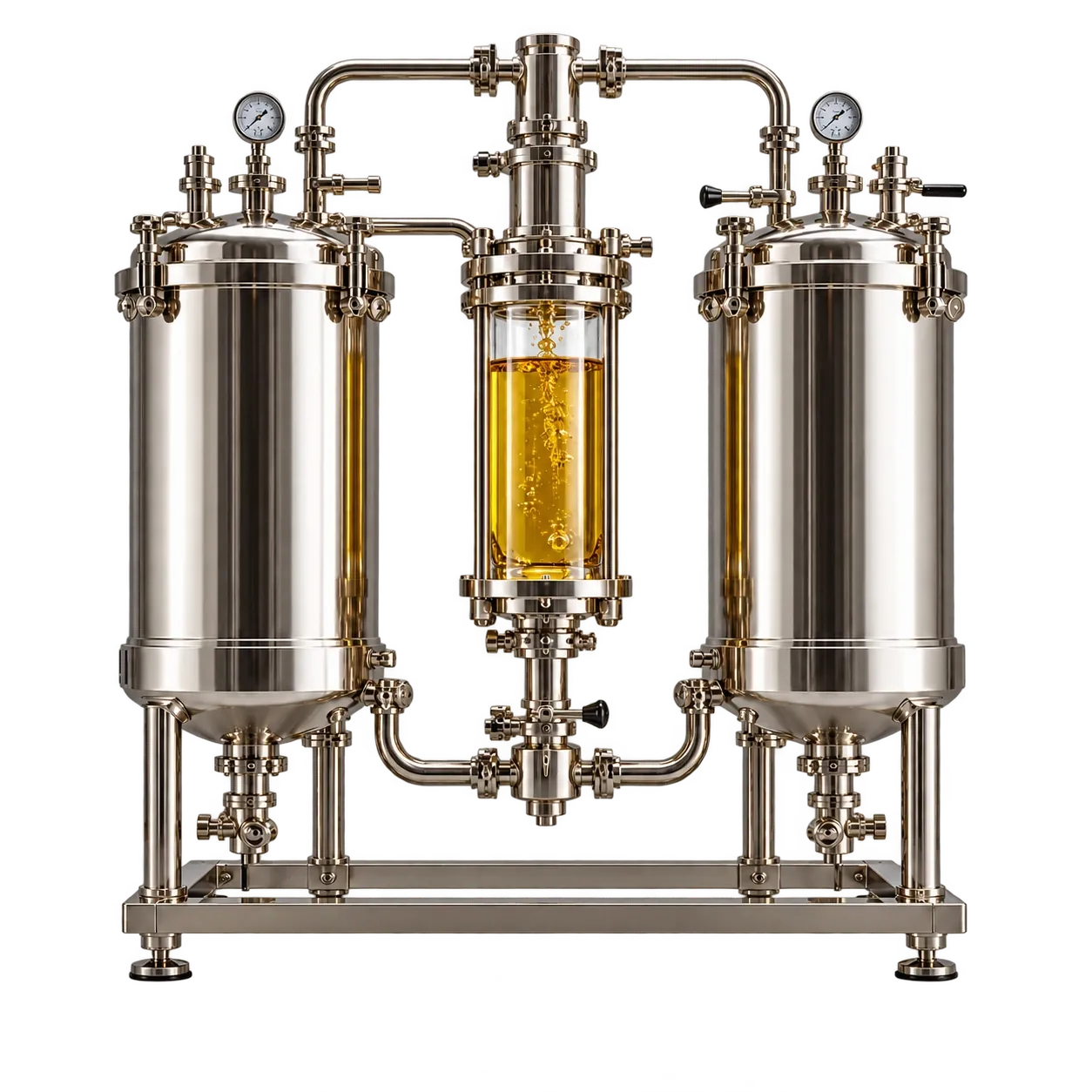
Illustrative closed solvent extraction equipment

Solvent extraction.

A solvent extracts soluble compounds from the plant inside a professional system. The solvent is then removed and the extract is finished.

When the starting material is fresh-frozenThe solvent extract is called live resin.

Finally, the finished form.

Some names describe the starting material or process, others describe texture: glass-like shatter, creamy badder, dry crumble. Ten forms at a glance.

FormTypical potencyTerpenes keptPriceTexture
Solventless
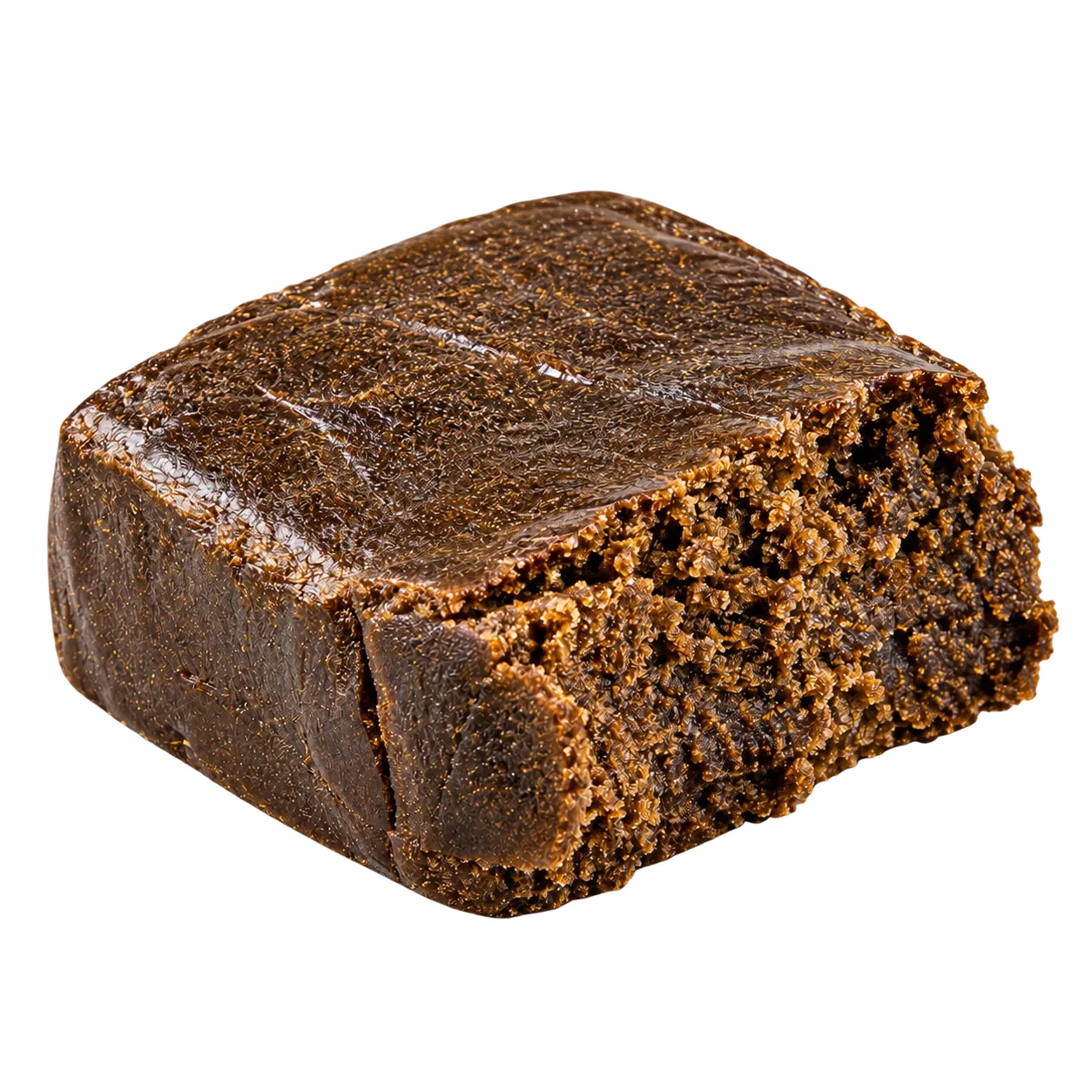
HashThe original: resin glands pressed into a block.
40–60%
$$$$
Pliable to crumbly
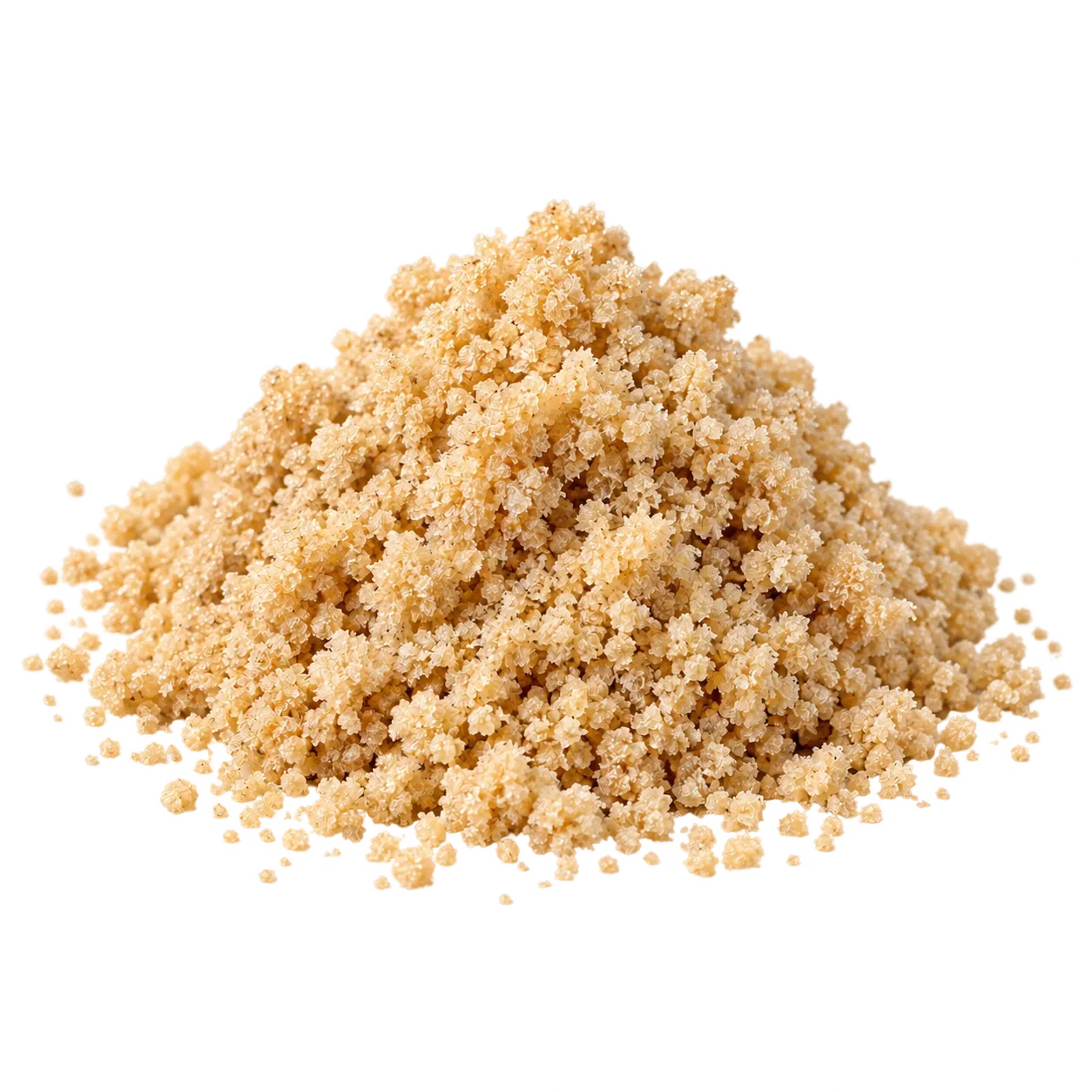
Bubble hashResin glands washed off in ice water. Nothing added.
50–70%
$$$$
Sandy, granular
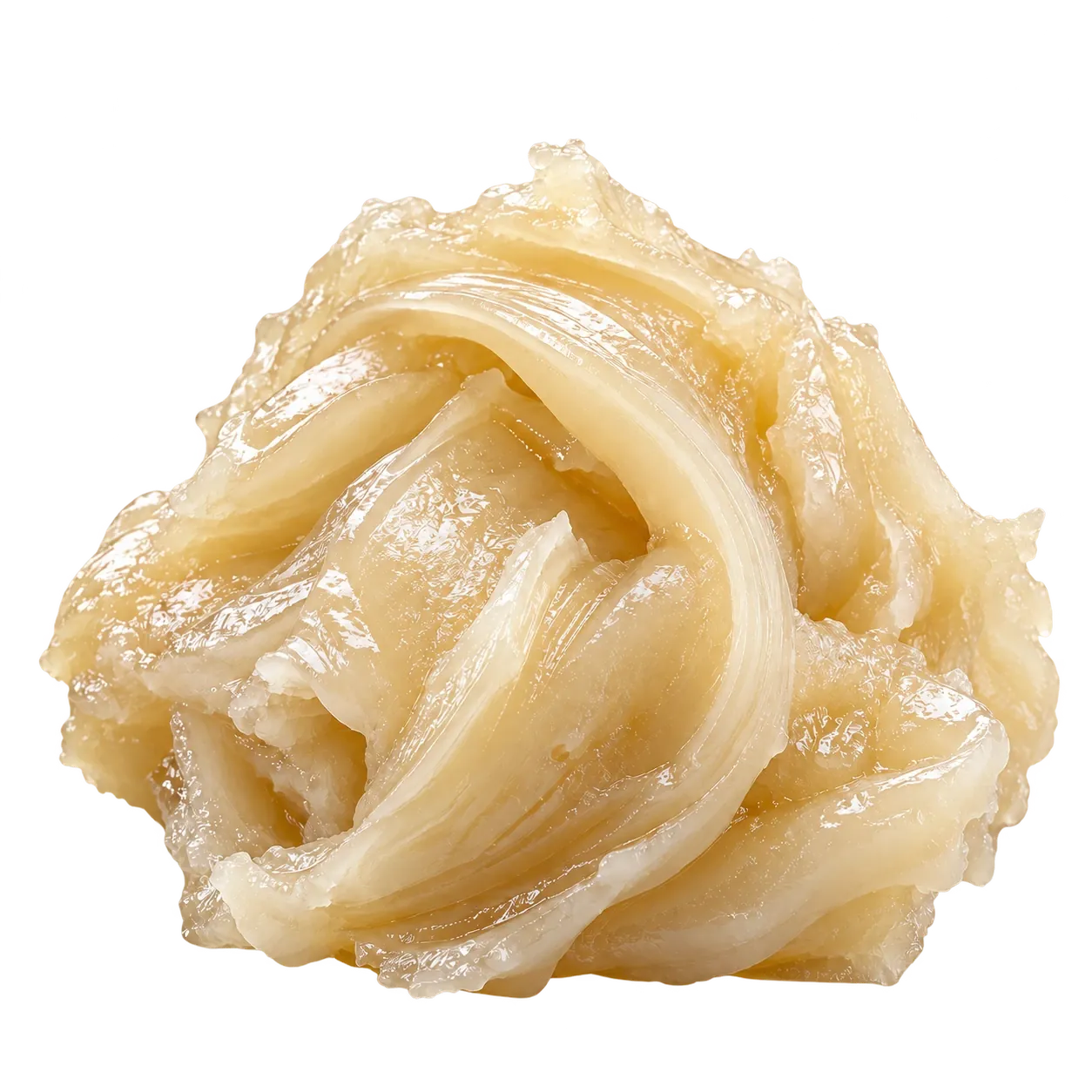
Live rosinFresh-frozen hash pressed with heat. No solvent, the most flavor.
70–85%
$$$$
Creamy to jam-like
Solvent-based
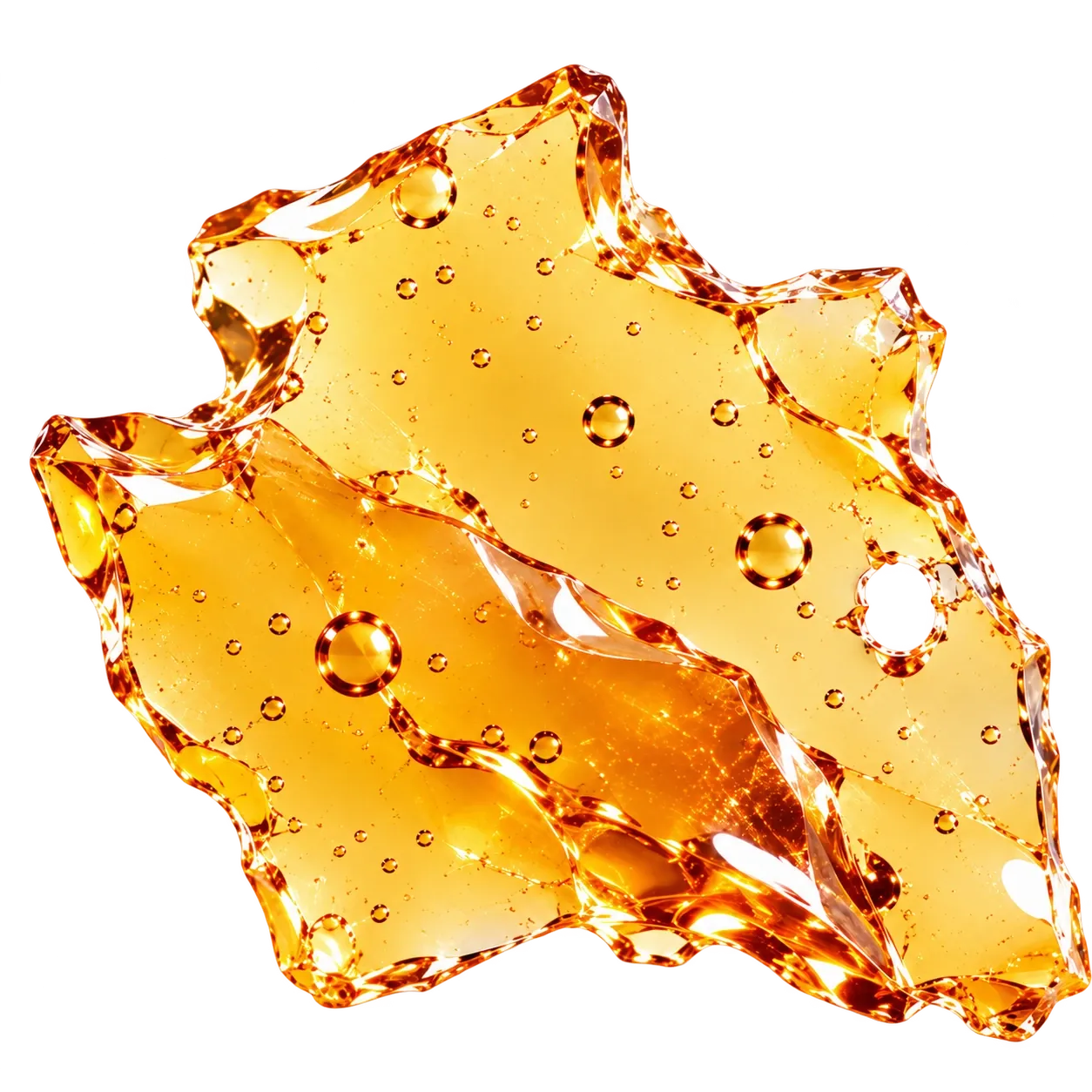
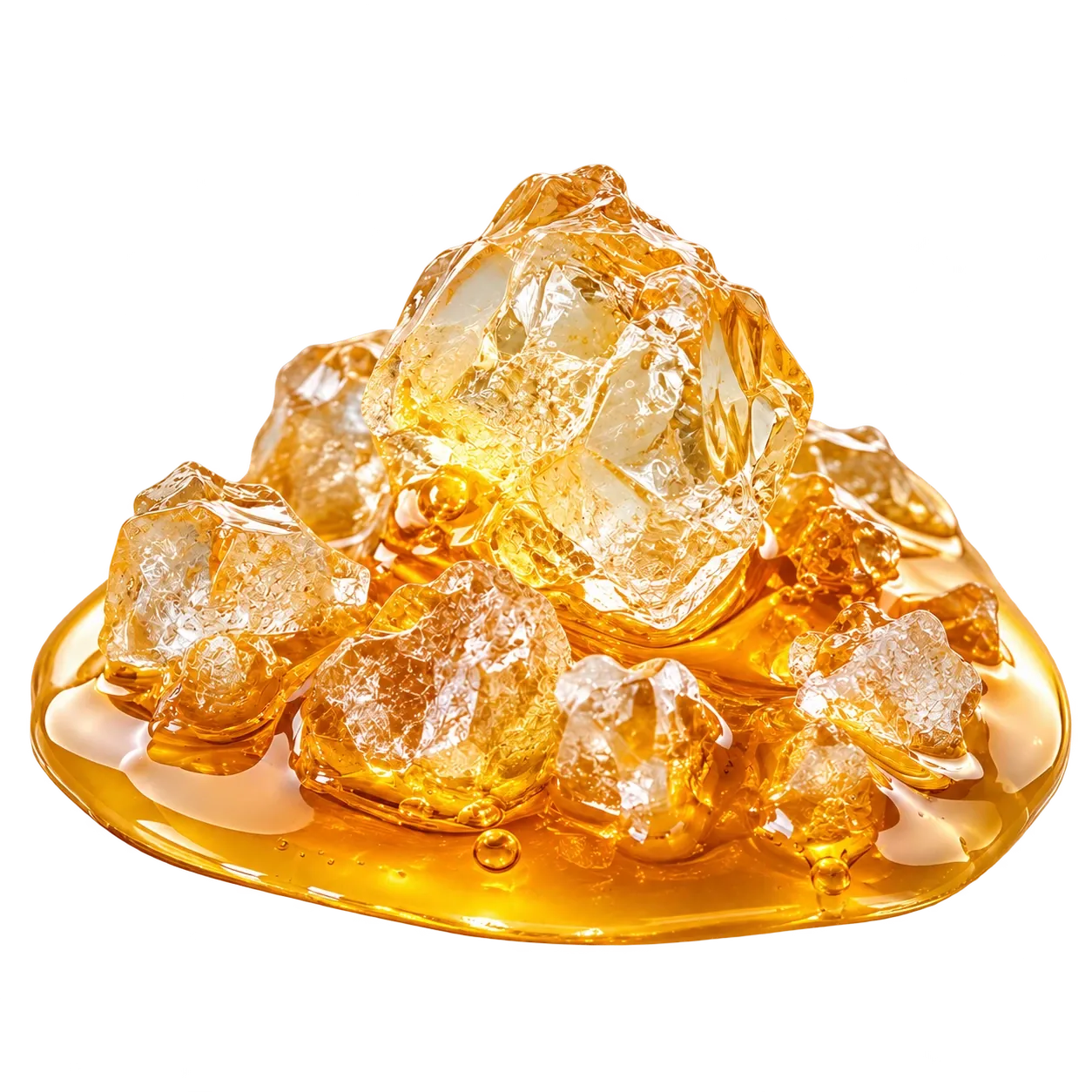
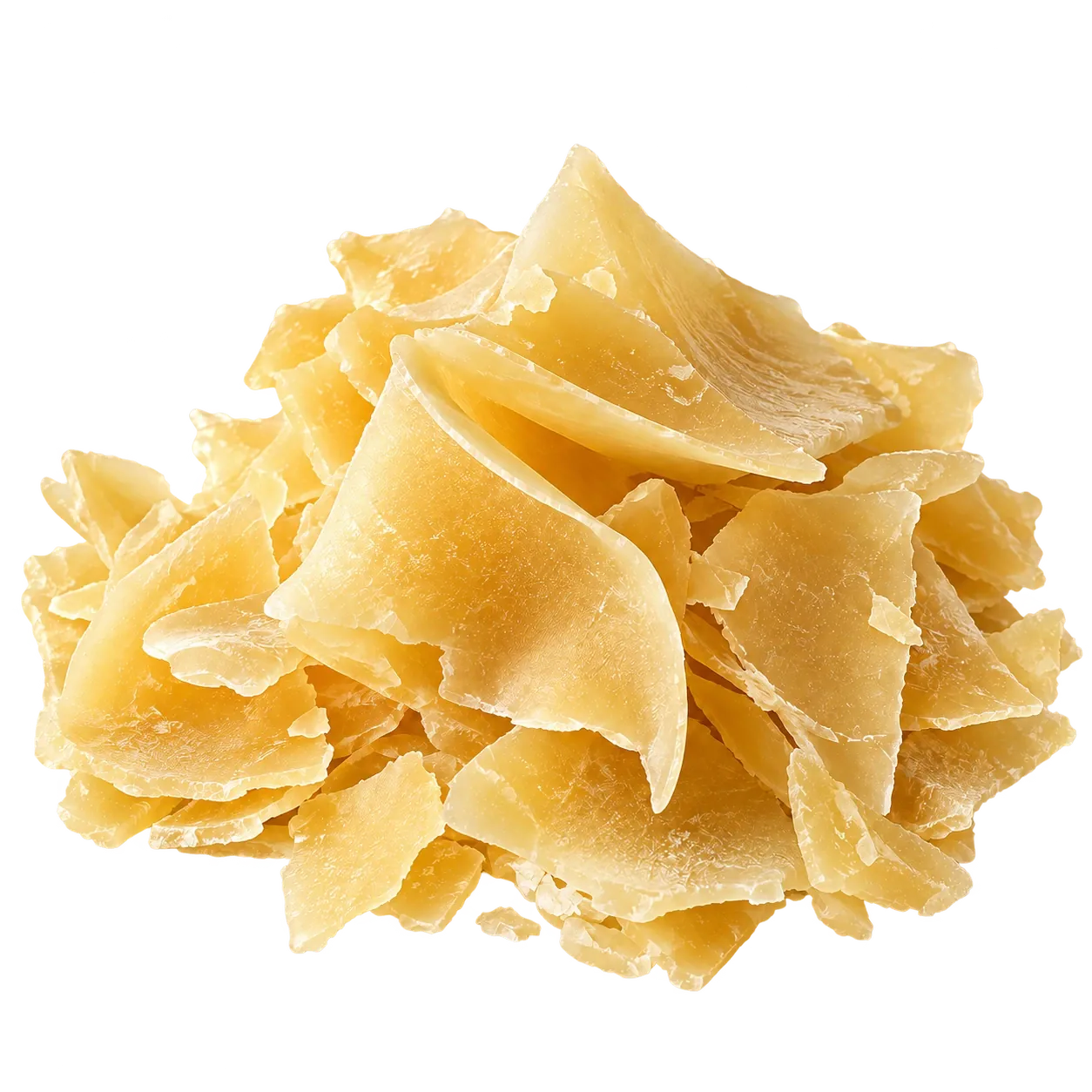
ShatterGlassy and stable. Potency first, flavor second.
70–90%
$$$$
Hard, glassy
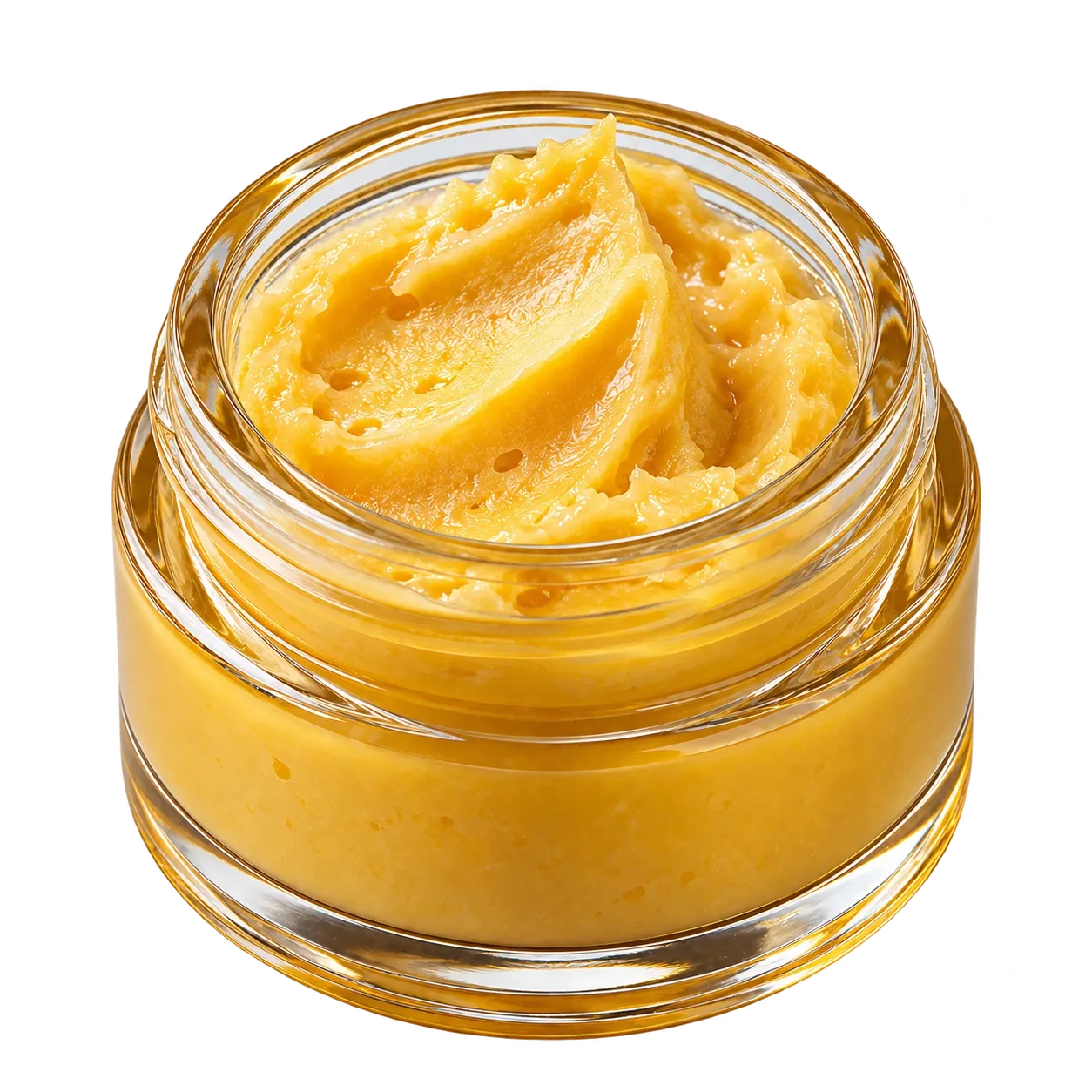
BadderAn extract whipped into a soft, easy-to-scoop cream.
65–85%
$$$$
Creamy, whipped
Live resinSolvent extract of the fresh-frozen plant. Tastes like the living flower.
65–85%
$$$$
Sap to sauce
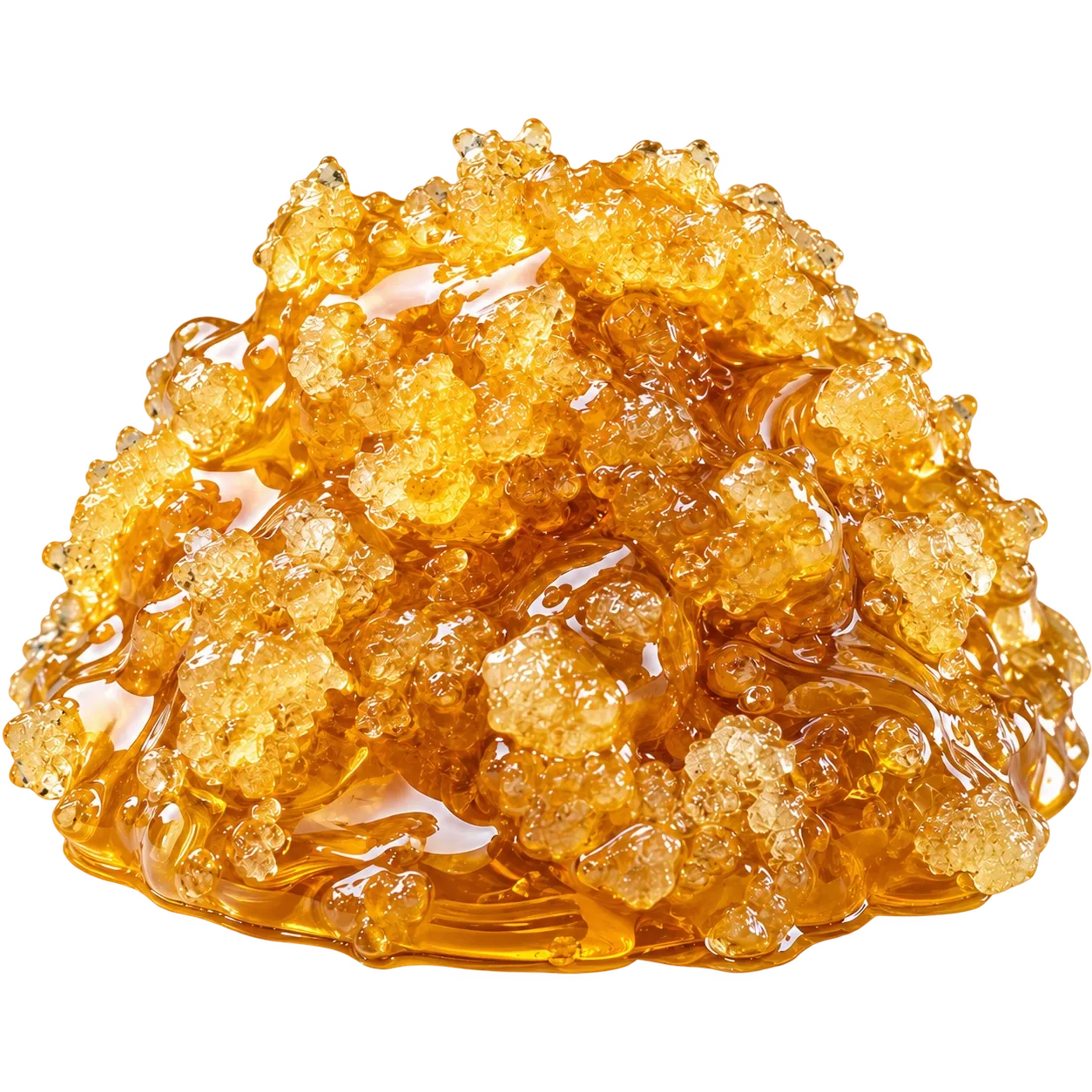
Diamonds & sauceNear-pure THCA crystals in a terpene-rich sauce.
90–99% crystals
$$$$
Crystals in sauce
WaxA soft, opaque, everyday extract.
60–80%
$$$$
Waxy, opaque
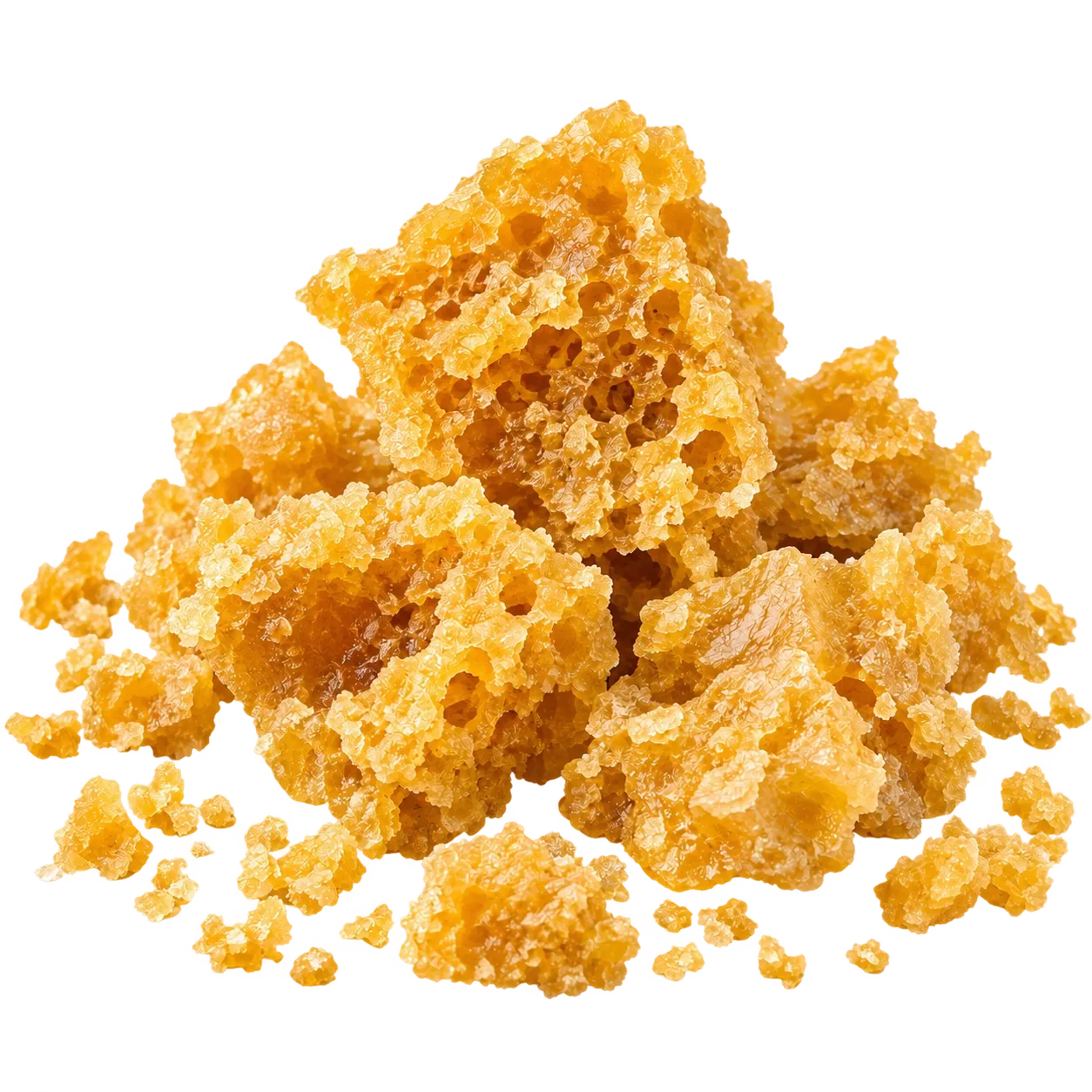
CrumbleA dry, porous extract that is easy to portion.
60–80%
$$$$
Dry, porous
Refined
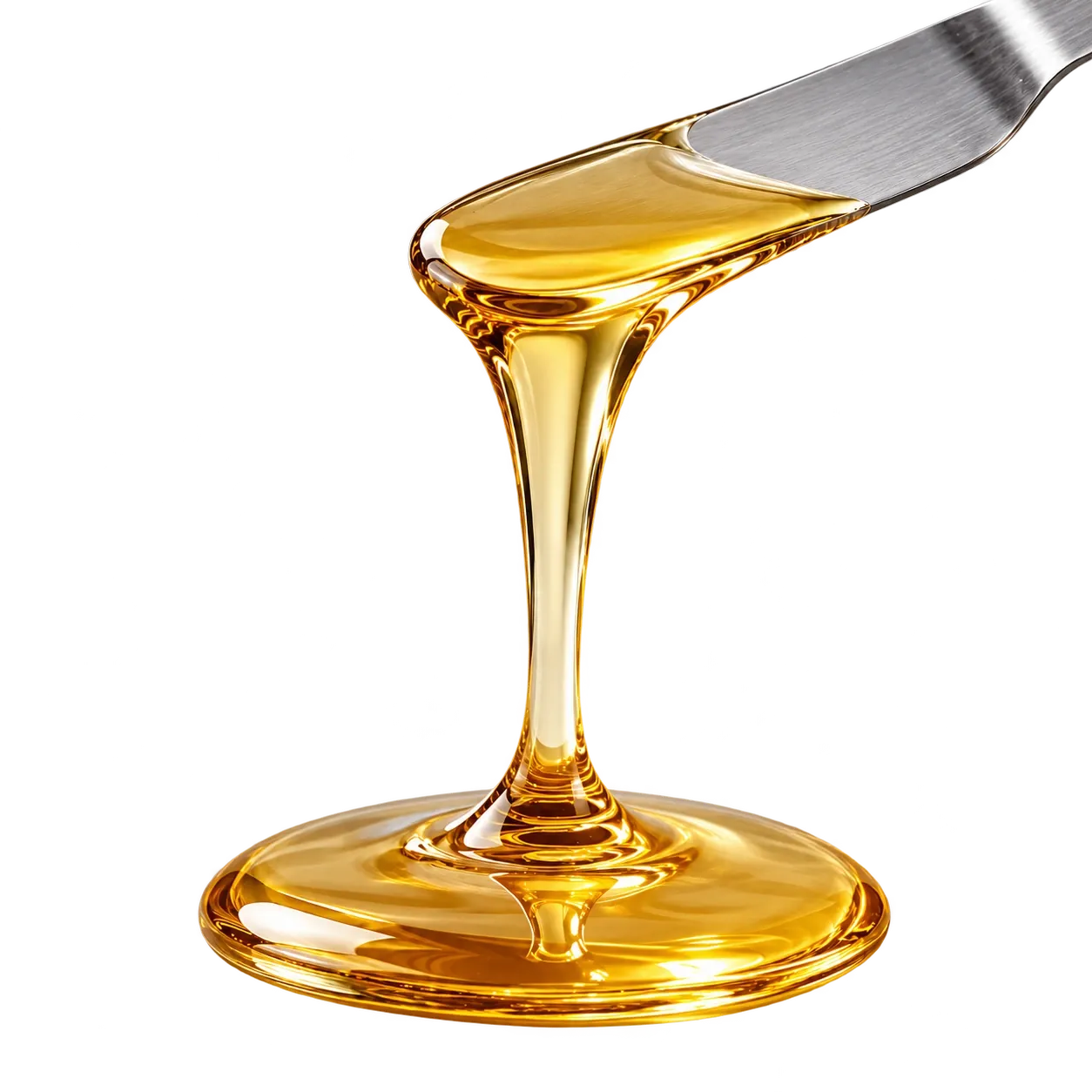
DistillateRefined to an almost pure cannabinoid. Flavor is added back.
85–95%
$$$$
Thick, honey-like

Typical ranges for total cannabinoids in US legal-market products. Terpenes kept shows how much of the plant’s aroma survives the process. Price is a relative tier per gram, not a quote. Every batch differs: its lab report is the source of truth.

Look beyond the picture.

Texture tells you how a product looks and feels. A label and batch report tell you what is actually documented.

Match the batch ID, read the cannabinoid and terpene results, check the safety panels. That’s the whole story a jar can’t tell you.

How to read a lab report ›

Quick answers.

Get in touch